
The cost of letting American production leave
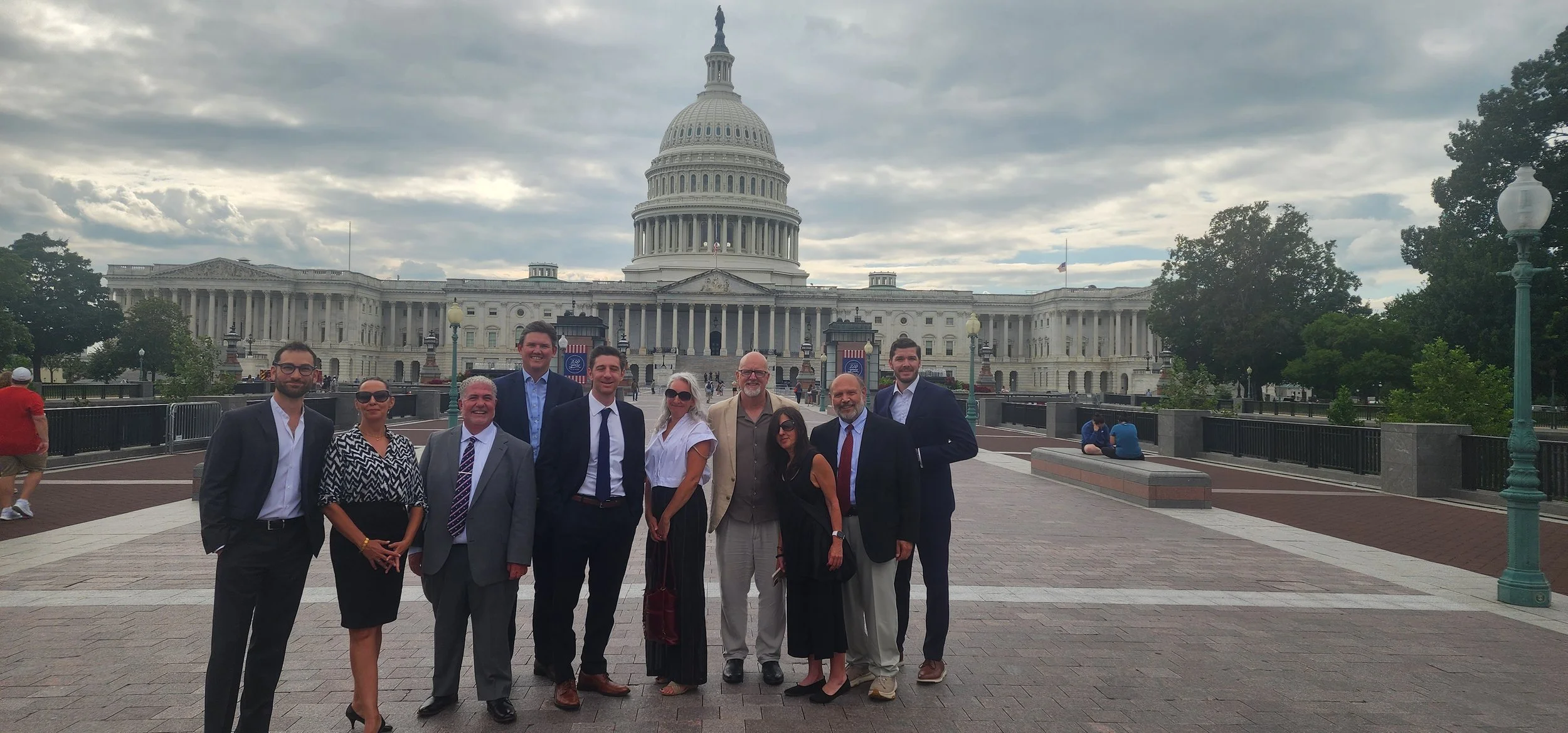
At the Coalition for American Production, we know families and businesses are struggling because film and television work is leaving the United States. They need productions here to keep employees working, pay mortgages, and keep their doors open. Their ability to hold on cannot be taken for granted.
Adam Michel’s October 6 critique estimates that the proposed federal production credit could cost nearly $50 billion over a decade. Taxpayers deserve scrutiny of the cost as well as the validity of estimates like this. Congress must also examine what America loses when workers leave the industry, suppliers close, and soundstages cease operating.
Michel overlooks a central feature of the proposal: the federal credit would stack with existing state incentives, improving the combined economics of filming here. Canada, Australia, and the UK all pair national production incentives with provincial, state, or regional support. American states compete against those combined offers.
Moving a production between American states redistributes work within our country. Moving it overseas changes which country receives the wages, supplier contracts, and tax revenue. Research on competition among states cannot settle the national question.
Rudy Callegari, a CAP co-founder and co-founder of New York’s Edge Auto Rental, describes the impact reaching his employees and their families, then flowing through to local gas stations and service stations. Protecting those livelihoods is why he helped start CAP.
In rural Georgia, Ben Patel’s B.I. Production Works grew from renting two Sprinter vans to local productions into a company providing nearly 2,000 transportation vehicles nationwide. That is what production can build: businesses and livelihoods far from Hollywood.
North Hollywood’s Faux Library Studio Props closed after supplying books, antique furniture, and set dressing for more than two decades. Its 2025 liquidation auctions dispersed the inventory that made the business possible. A closed prop house cannot simply resume work when the next production arrives.
In April 2026, Quixote’s parent company announced a phased wind-down of leased soundstages and Atlanta-area operations, citing structural cost or demand disadvantages. Facilities are being withdrawn from service while workers and suppliers need projects to return.
The downturn has multiple causes, including strikes and reduced commissioning. A federal incentive cannot solve every problem. It can improve America’s competitiveness for productions choosing among locations.
Foreign competitors have the capacity to receive that investment. The British Film Institute reports £6.8 billion in UK film and high-end television production spending during 2025, including £5.8 billion from inward-investment productions.
The proposed legislation offers a 20 percent base credit tied to qualified compensation for services performed here, with conditional bonuses. Conventional live-action productions generally must conduct at least 75 percent of principal photography days in the United States.
The MPA-commissioned Olsberg–SPI study estimates that a federal incentive alongside state programs could support $249.1 billion in additional U.S. value added and approximately 143,500 full-time-equivalent jobs annually during 2027–2035. Those conditional estimates include supplier and household-spending effects. Congress should test the assumptions and measure results.
Michel’s nearly $50 billion figure is an estimate, not an official score. It treats 53 percent of all projected production spending as eligible labor, applies the maximum 30 percent credit throughout, and extends the study’s nine-year forecast to ten years. His cost-per-job calculation counts only direct production jobs, omitting the supplier and other jobs included in the study. The estimate also measures gross credits; Michel acknowledges that additional federal tax receipts could offset some cost. Congress should test these assumptions and the risk of paying for productions that would stay here anyway.
Congress should scrutinize costs and avoid unnecessary windfalls. It should also give American workers and businesses a stronger chance to win projects going abroad.
Families cannot wait indefinitely for the next paycheck. Businesses cannot retain employees without contracts. Once facilities change uses and experienced workers leave, rebuilding becomes harder. Congress should advance a competitive, accountable federal incentive while the people and businesses needed to make it succeed are still here.
The Coalition for American Production (CAP) is a national nonprofit alliance of production companies, studios, vendors, workers, and industry partners advocating for film and television production in the United States.